
Fellowship In Neuro Emergencies
Certified by The indian college of emergency medicine (TICEM)


Dr. N. Balamurugan
MD., D.M (Neuro) NIMHANS, FICP., FRCP.,FACP.,
Sr. Consultant, Neurologist & Director,
SIMS Chellum Hospital, Salem

Dr. S. Meenakshi Sundaram
MD., DM (Neuro)
Sr. Consultant Neurologist,
Apollo Specialty Hospitals, Madurai

Dr. S. Senthilkumaran
Senior Consultant & Head,
Emergency and Critical Care,
Manian Medical Centre, Erode

Dr. Yash Javeri
CII Medical Task Force Member
Convener – Indian Sepsis Forum
VP Society of Neurocritical Care – India
Head – Critical Care,Anesthesia & Emergency
Regency Super Speciality Hospital – Lucknow

Dr. Narendra Nath Jena
Director & Head – Institute of Emergency Medicine,
Meenakshi Mission Hospital & Research Centre,
Madurai
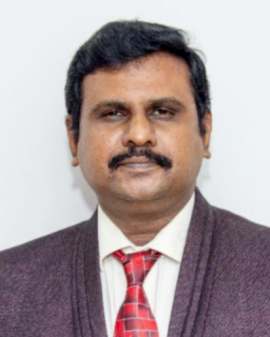
Dr. B. Kannan
MD.,DM.(Neuro),
Consultant Neurologist,
Sundaram Arulraj Hospital, Tuticorin.

Dr. Gaurav Kakkar
MBBS (AFMC) FCA RCSI CCT (UK)
Associate Director, Neuroanaesthesia & Neurocritical Care,
Medanta Medicity, Gurgaon
Visiting Consultant: The Walton Centre, Liverpool, UK
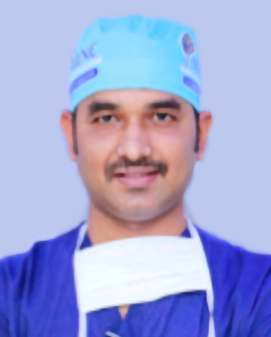
Dr. Rasmiranjan Padhi
MBBS, MD, PDCC, EDiINR
Chief Consultant Neurointerventional Unit
GKNM Hospital, Coimbatore.

Dr. Srinivas
Director & Head,
Department of Critical Care,
Virinchi Hospital, Hyderabad.
1. Acute severe headache
2. Acute onset Vertigo
3. Coma, stupor and acute confusional states
4. Seizures at ER
5. Acute onset abnormal movements – Movement disorder emergencies- the new area to be explored
6. Acute onset focal neurological deficits
7. Acute flaccid weakness
8. Acute visual loss or double vision – Neuro ophthalmic emergencies
9. Postpartum neurological emergencies – postpartum eclampsia, CVT and post spinal ache
10. Acute onset Neck pain and Low back pain
11. Neuro trauma
12. Neuro infection versus systemic infection
Week 1
Module Release Date: To be announced
Anatomy
Gross orientation
Key points of semicircular canals
Hair cell morphology, topology and morphological polarisation
Nerve supply and blood supply
Brain stem anatomy
VOR Pathway
Extraocular muscles
Week 2
Module Release Date: To be announced
Physiology
The angular VOR
The tilt VOR
The translational VOR
Core laws and principles
Concept of velocity storage
The neural integrator
Semicircular canal-otolith interactions
Cervical and vestibular interactions
Why should the eyes move?
Action potential and factors influencing nerve excitability
Week 3
Module Release Date: To be announced
History
Vestibular Symptom
Non vestibular symptoms for the vestibular clinician
Diagnostic criteria of Barany Society for various disorders
SOSTONED approach for reaching a diagnosis
Week 4
Module Release Date: To be announced
Clinical Examination
The physical examination techniques and interpretation for vestibular clinician
Pathophysiology of clinical vestibular syndromes
Nystagmus direction in peripheral vestibular disease
Nystagmus direction in central vestibular disorders
Week 5
Module Release Date: To be announced
Positional Vertigo
Neuroanatomy of angular VOR pathways for all semicircular canals
Observed nystagmus patterns for each semicircular canal involvement
Positional tests and interpretation
Positional maneuvers
Week 6
Module Release Date: To be announced
Videonystagmography
Technology and conventions
Tests and methods of performance
Nystagmus: How to describe
Ocular motors tests: Detailed performance and analysis
VOR suppression test
The clinical chair rotation test
Week 7
Module Release Date: To be announced
Index cases
Cases contributed by leading vestibular practitioners in Neurotology from across the country.
History, Examination, Findings and Treatment protocols of key diagnoses
Pharmacotherapy
Week 8
Module Release Date: To be announced
Rehabilitation
Pathophysiological basis
Assessment protocols
Physical rehabilitation
Instrumental rehabilitation
Week 9
Module Release Date: To be announced
Rehabilitation
vHIT
Rotational Vestibular Assessment
VEMP
ECochG
Posturography
Caloric test
Week 10
Module Release Date: To be announced
Eye movement neurology
Detailed considerations of saccades, pursuit, optokinetic, vergence and vestibular eye movements.
Hands On Module:
Date & Venue to be announced
Videonystagmography
vHIT
ECochG
VEMP
Dynamic Visual Acuity
Computerised Static Posturography
Craniocorpography
Positional tests
Radiology
Rehabilitation
The syndromic approach
Acute vertigo evaluation
Predominant complaint of difficulty in walking
Doctors who wish to gain expertise in the field of vestibular medicine.
I. MBBS
II. Postgraduate residents in ENT, General medicine, Geriatric medicine and Neurology
III. DLO
IV. MS/DNB (ENT)
V. OM (Neurology)
VI. MD (General medicine)
VII. MD (Geriatric medicine)